Polygon is experiencing a noticeable rise in cross-chain NFT transfers, signaling a shift in how digital assets are being used across the broader Web3 ecosystem. As blockchain technology evolves, NFTs are no longer confined to a single network. Instead, users are increasingly moving assets between chains to take advantage of lower fees, better liquidity, and expanded utility. Polygon is emerging as one of the preferred destinations in this growing trend.
This increase in cross-chain activity highlights Polygon’s role as a scalable and cost-efficient environment for NFT usage. While Ethereum remains a dominant hub for NFT creation and high-value collections, Polygon offers a practical alternative for trading, gaming, and everyday interactions.
What Cross-Chain NFT Transfers Mean
Cross-chain NFT transfers allow users to move their digital assets from one blockchain to another. This is typically done through bridging solutions or interoperability protocols that lock the asset on the original chain and mint a corresponding version on the destination network.
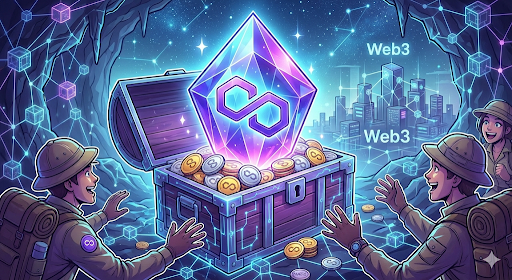
For NFT holders, this creates flexibility. Instead of being restricted to a single ecosystem, assets can be used across multiple platforms. A user might mint an NFT on Ethereum, transfer it to Polygon for cheaper trading, and then use it in a game or application built on a different network.
This level of interoperability is becoming increasingly important as the Web3 space expands. Users expect seamless movement of assets, similar to how digital content can be accessed across platforms in traditional systems.
Why Polygon Is Attracting NFT Transfers
Polygon’s appeal in cross-chain NFT activity comes down to efficiency and usability. High gas fees on Ethereum have historically limited smaller transactions, making it expensive for users to trade or interact with NFTs frequently.
Polygon addresses this issue by offering:
- Lower transaction costs
• Faster confirmation times
• Compatibility with Ethereum-based assets
• Strong infrastructure for NFT marketplaces and applications
These advantages make Polygon an attractive destination for users who want to actively use their NFTs rather than simply hold them.
For creators and developers, this also opens new opportunities. Projects can expand their reach by allowing NFTs to exist across multiple chains while maintaining functionality within Polygon’s ecosystem.
Impact on NFT Marketplaces
The rise in cross-chain transfers is also influencing NFT marketplaces operating on Polygon. As more assets move onto the network, marketplaces benefit from increased liquidity and user activity.
Higher liquidity can lead to:
- More consistent trading volume
• Better price discovery for NFT collections
• Increased participation from both buyers and sellers
Polygon-based marketplaces are particularly well positioned to benefit from this trend because they offer a more accessible trading environment. Lower fees reduce the barrier to entry, allowing smaller transactions to become viable.
This can help broaden the NFT market by attracting users who may have been priced out of Ethereum-based platforms.
Gaming and Utility Driving Transfers
One of the key drivers behind increased cross-chain NFT transfers is utility. NFTs are evolving beyond static collectibles into assets that can be used within games, applications, and virtual environments.
Polygon has become a popular choice for blockchain gaming due to its scalability. Many games require frequent interactions, such as item usage, upgrades, or in-game transactions. High fees would make these interactions impractical on more expensive networks.
By transferring NFTs to Polygon, users can engage with these applications more efficiently. This has contributed to a growing ecosystem of gaming and utility-driven NFT projects on the network.
As more developers build applications that require active NFT usage, cross-chain transfers are likely to continue increasing.
Interoperability as a Growing Trend
The rise in cross-chain NFT activity reflects a broader trend toward interoperability in Web3. Instead of isolated ecosystems, blockchain networks are becoming more connected.
Interoperability allows assets, data, and applications to move freely across chains. For NFTs, this means greater flexibility and expanded use cases. A single NFT could serve multiple purposes depending on the platform it is used on.
Polygon’s compatibility with Ethereum positions it well within this trend. By acting as a bridge between high-value ecosystems and scalable environments, it plays a role in connecting different parts of the Web3 landscape.
Challenges in Cross-Chain Transfers
While cross-chain functionality offers many benefits, it also comes with challenges. Bridging assets between networks can introduce complexity and potential risks.
Some of the main concerns include:
- Security vulnerabilities in bridge protocols
• Temporary loss of liquidity during transfers
• User confusion around wrapped or mirrored assets
• Dependence on third-party infrastructure
For Polygon, maintaining secure and reliable bridging solutions is essential. As cross-chain activity increases, the importance of robust infrastructure becomes even more critical.
Developers and users must also remain cautious, ensuring that they use trusted platforms when transferring assets.
What This Means for Polygon’s Ecosystem
The increase in cross-chain NFT transfers contributes to overall network activity. More assets moving into Polygon means more transactions, more user engagement, and greater visibility for the ecosystem.
This can have several long-term effects:
- Strengthening Polygon’s position in the NFT market
• Attracting more developers building NFT-based applications
• Increasing user retention within the ecosystem
• Expanding use cases for NFTs beyond collectibles
As activity grows, Polygon becomes more than just a scaling solution. It evolves into a central hub where assets from different networks can interact and be used efficiently.
Potential Influence on POL Demand
While NFT transfers do not directly determine price, they contribute to broader network usage. Increased activity often correlates with higher demand for network resources, which can support long-term ecosystem growth.
If cross-chain NFT activity continues to expand, it may strengthen Polygon’s overall utility. This can influence how the network is perceived by investors, developers, and users.
However, price movements will still depend on a combination of factors, including market conditions, adoption trends, and competition among blockchain networks.
Looking Ahead
The growth of cross-chain NFT transfers on Polygon reflects a shift toward more flexible and interconnected digital asset ecosystems. As users seek better performance and lower costs, networks that provide efficient solutions are likely to benefit.
Polygon’s role in this trend is becoming more defined. By offering a scalable environment that integrates well with existing ecosystems, it provides a practical solution for NFT usage across chains.
As interoperability continues to develop, cross-chain activity may become the norm rather than the exception. Polygon’s ability to support this shift will play a key role in its future growth within the Web3 space.
Disclaimer
This article is for informational purposes only and should not be considered financial advice. Cryptocurrency markets are volatile, and readers should always conduct their own research before making investment decisions.