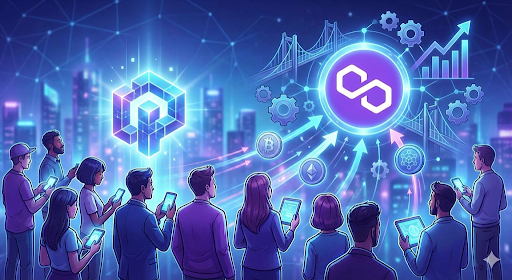
Polygon is entering 2026 with renewed momentum as on-chain activity accelerates across decentralized finance and blockchain gaming. Transaction counts are climbing, active wallets are increasing, and developers are shipping products at a pace that is beginning to stand out again among Layer-2 competitors. For investors and ecosystem watchers, this shift is less about short-term hype and more about structural adoption taking place beneath the surface.
This renewed activity is being driven by two of the most resilient sectors in crypto: DeFi protocols that prioritize real usage and gaming projects that focus on player experience rather than speculation. Together, they are reshaping how Polygon is being used, how value flows through the network, and how the ecosystem may evolve through the rest of 2026.
Below is a deep dive into what is changing on Polygon, why network activity is rising, and what this trend could signal for the broader ecosystem.
Why Network Activity Matters More Than Price
While token price often dominates headlines, network activity tells a deeper story. Metrics like daily transactions, active addresses, smart contract deployments, and protocol usage offer insight into whether a blockchain is actually being used.
On Polygon, these indicators are trending upward again as developers and users return for three main reasons:
- Consistently low transaction fees
• Strong Ethereum compatibility
• Growing ecosystem support for builders
This combination makes Polygon particularly attractive for applications that require frequent interactions, such as DeFi trading and in-game transactions.
DeFi Adoption Is Rebuilding on Polygon
Decentralized finance is once again becoming a meaningful driver of Polygon’s on-chain activity. Rather than chasing unsustainable yields, newer DeFi activity is centered around efficiency, liquidity management, and cross-chain functionality.
Key DeFi Trends Driving Activity
- Increased DEX trading volume
• Higher stablecoin transfers
• Growth in lending and borrowing protocols
• Renewed interest in liquid staking
Protocols built on Polygon benefit from Ethereum-level security assumptions while offering a far cheaper and faster user experience. This makes the network appealing to both retail users and smaller institutional participants experimenting with DeFi strategies.
Polygon as a DeFi Scaling Hub
Polygon’s role as a scaling layer for Ethereum is becoming more defined again. Developers are using it as a testing ground for features that would be too costly to deploy directly on Ethereum mainnet.
This trend supports sustained transaction growth rather than temporary spikes, suggesting healthier network usage overall.
Gaming Projects Are Fueling Daily Transactions
Blockchain gaming has emerged as one of the most transaction-intensive sectors in crypto, and Polygon is positioning itself as a preferred network for this category.
Why Game Developers Choose Polygon
- Minimal gas fees for in-game actions
• Faster confirmations for smoother gameplay
• Easy wallet integration
• Strong NFT tooling
Unlike DeFi, gaming activity often involves thousands of micro-transactions per user. Even moderate user growth can dramatically increase network usage, which is exactly what Polygon is beginning to experience again.
Shift Away From Speculative Gaming
A notable change in 2026 is the move away from purely token-driven games toward gameplay-first models. Developers are focusing on fun, retention, and player ownership rather than short-term token pumps. Polygon’s infrastructure supports this approach by keeping costs predictable and user friction low.
Developer Activity Is Picking Up Again
Developer engagement is one of the strongest indicators of a blockchain’s long-term health. On Polygon, smart contract deployments and tooling usage are trending upward.
This increase is tied to:
- Improved developer documentation
• Better SDKs and APIs
• Continued support for Ethereum-compatible tooling
As more teams deploy on Polygon, the network benefits from a compounding effect where new applications attract new users, which in turn attracts more builders.
NFTs and Digital Assets Still Play a Role
While NFTs are no longer in speculative overdrive, they remain an important part of Polygon’s ecosystem, especially in gaming and digital identity.
NFT-related activity contributes to network usage through:
- Minting and transfers
• In-game asset ownership
• Marketplace transactions
Polygon’s low fees make it one of the few networks where NFTs can be used practically rather than just collected.
Institutional and Brand Interest Adds Credibility
Polygon continues to attract partnerships with brands and enterprises experimenting with blockchain integrations. These initiatives may not always generate immediate transaction volume, but they help establish trust and long-term visibility for the network.
Enterprise-grade experimentation also signals confidence in Polygon’s stability and scalability, reinforcing its position as a serious Layer-2 solution rather than a short-lived trend.
How This Activity Impacts MATIC’s Utility
Rising network usage directly increases the importance of MATIC within the ecosystem. As activity grows:
- More transactions require gas
• Staking participation becomes more relevant
• Validator economics strengthen
While price action can lag behind fundamentals, sustained on-chain growth often precedes stronger market narratives.
Risks That Could Slow Momentum
Despite positive trends, Polygon still faces challenges that investors should watch closely.
Key Risks to Monitor
- Competition from other Layer-2 networks
• Fragmentation of liquidity across chains
• Regulatory uncertainty impacting DeFi
• User migration driven by incentives elsewhere
Polygon’s ability to maintain momentum will depend on retaining developers and users once incentive programs normalize.
What This Means for 2026 and Beyond
The rise in network activity driven by DeFi and gaming is a constructive signal for Polygon’s future. Rather than relying on hype cycles, the ecosystem is building around real usage, frequent transactions, and developer-friendly infrastructure.
If these trends continue, Polygon could solidify its role as a practical Layer-2 network supporting everyday blockchain applications, especially in sectors where cost and speed matter most.
For long-term observers, this phase of growth may prove more important than any short-term price movement, as it lays the groundwork for sustainable adoption.
Final Thoughts
Polygon’s rising network activity reflects a broader shift in crypto toward utility-driven ecosystems. DeFi and gaming are once again proving to be the engines of blockchain usage, and Polygon is positioning itself to benefit from both.
While challenges remain, the current trajectory suggests that Polygon is not fading into the background but quietly rebuilding momentum where it matters most: on-chain.
Disclaimer
This article is for informational and educational purposes only and does not constitute financial advice. Cryptocurrency investments carry risk, and readers should conduct their own research before making any investment decisions.